
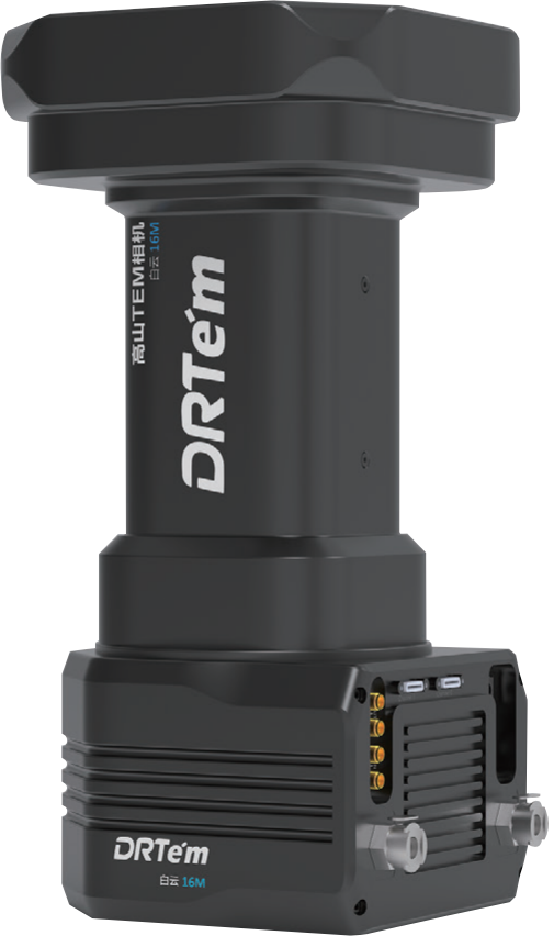
Baiyun 16M Camera
Gaoshan Series TEM Cameras
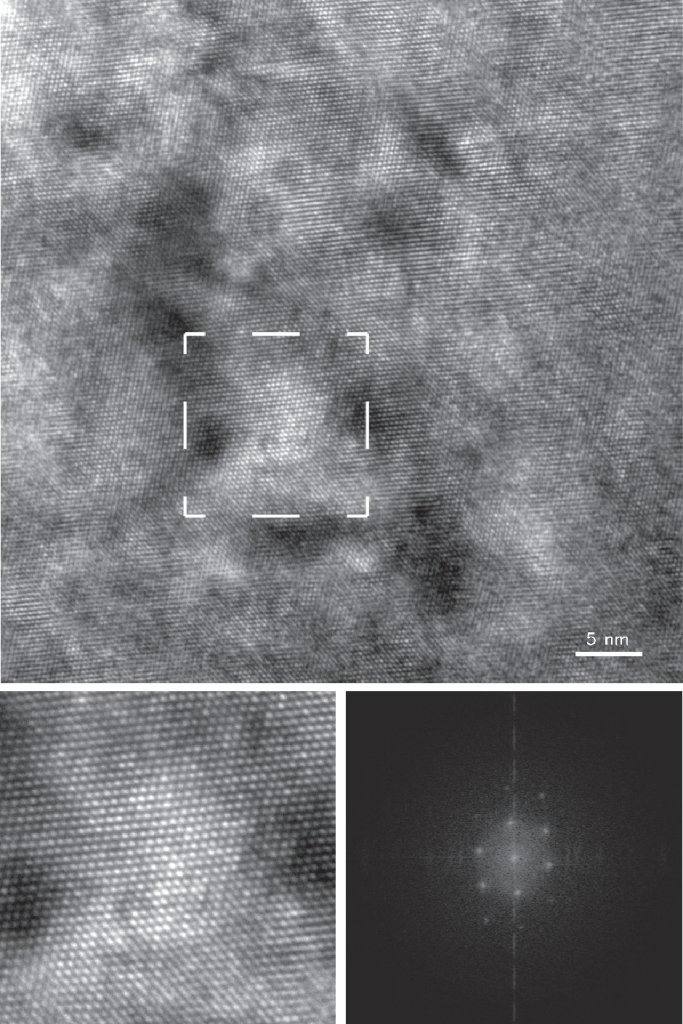
The Baiyun 16M camera, with its high-performance CMOS sensor and innovative design, offers a novel solution for researchers in the field of TEM applications. It combines high resolution, high frame rate, and an ultra-large field of view, meeting the most stringent research demands for both wide-area imaging and atomic-scale resolution.
Specifications
|
Parameter |
Specification |
|
Sensor size |
4096(H) X 4096(V) |
|
Pixel size |
15μm 15μm |
|
Imaging Area |
61 .44 mm 61 .44 mm |
|
Full-Frame Rate |
24 FPS |
|
Recording Modes |
snap, continuous, in-situ video |
|
Pixel Binning |
X1,X2,X4 |
|
Dynamic Range |
≥16bitwith fastframesumming |
|
Auto-Stitching |
supported |
|
Scintillator |
optimized for120-300kv, customizablefor30kv |
|
Mounting Position |
Bottom-mounted on TEM |
|
Cooling |
Thermoelectric cooling (TEC) |
|
Computer System |
64 GB RAM + 4 TB storage (upgradable) |
|
Software Support |
proprietary: Gsviewer, Microscopelink; |
Advantages
Large Field of View: 15 μm pixel size, 16 megapixels (4k × 4k)
High-Speed: 24 fps at full resolution, no need for pixel binning to achieve higher imaging speeds, up to 90 fps at 2k×2k resolution.
Image Drift Correction: Effectively compensates for imaging drift, ensuring clarity and enhancing high-resolution image quality.
Video Recording: Facilitates in-situ TEM imaging, capturing dynamic microscopic world.
High-Sensitivity Scintillator : Optimized for 120‒300 kV TEM, with 30 kV customization available.
High Flexibility: Compatible with TEM models from major brands such as Thermo Fisher, JEOL, and Hitachi.
AI-Enhanced: Equipped with an independent high-performance AI workstation, featuring built-in AI modules and algorithm libraries, supporting customized configurations to meet the personalized needs of multiple fields.
Modular Design: Three core modules allow for future upgrades and replacements, offering flexibility, customization, reduced maintenance costs, and minimized downtime.